no title
The Sea Navy, one of the best damn bands in Seattle, put together this awesome video with some Creative Commons footage of the Seattle World’s Fair.
The Sea Navy, one of the best damn bands in Seattle, put together this awesome video with some Creative Commons footage of the Seattle World’s Fair.
AP posted a diagram of the system, which only adds to the confusion—your satisfaction with the diagram will be inversely proportional to your knowledge of the technology
—Princeton computer scientist and security researcher Ed Felten on AP’s dumb proposal for DRMing their content. Ars Technica, from which I sourced that quote, has a great breakdown on the rest of the stupidity.
Anil’s thoughts on the “pushbutton web” are really smart
And really well written, to boot. This is the future.
Probably the smartest thing written about Facebook yet
And add Scott Simon to the long list of people who look nothing like they sound on the radio
Beginning today, July 21, we will be notifying both our customers and our internal and external partners that on July 29th, people will no longer be able to upload videos to Soapbox and on August 31st, the service will no longer be available.
—I realize this is just a poor choice of words in announcing the closure of Microsoft’s Soapbox but it’s probably an accurate Freudian slip that only two people will be affected by the end of Soapbox.
Help make the Chicago Griddle Guide a reality
Chicago is one of my favorite towns to eat in, go help ‘em out
Undeniably, there is money to be made in digital publishing with free reader access, but whether that revenue leads to profits depends upon the scale and scope of the organization. The potential revenue does not appear to be of the magnitude that will support the massive operations of existing news organizations. What works in today’s web landscape are lean and mean organizations with little or no management bureaucracy — operations where nearly every employee is working on producing actual content.
…
Old-school news companies aren’t like that — the editorial staff makes up only a fraction of the total head count at major newspaper and magazine companies. The question these companies should be asking is, “How do we keep reporting and publishing good content?” Instead, though, they’re asking “How do we keep making enough money to support our existing management and advertising divisions?” It’s dinosaurs and mammals.
Undeniably, there is money to be made in digital publishing with free reader access, but whether that revenue leads to profits depends upon the scale and scope of the organization. The potential revenue does not appear to be of the magnitude that will support the massive operations of existing news organizations. What works in today’s web landscape are lean and mean organizations with little or no management bureaucracy — operations where nearly every employee is working on producing actual content.
…
Old-school news companies aren’t like that — the editorial staff makes up only a fraction of the total head count at major newspaper and magazine companies. The question these companies should be asking is, “How do we keep reporting and publishing good content?” Instead, though, they’re asking “How do we keep making enough money to support our existing management and advertising divisions?” It’s dinosaurs and mammals.
—
John Gruber, who takes a brief look at news sites charging for content.
Insightful posts like this are the reason why John is one of my absolute favorite writers, on the web or otherwise.

Sometimes, looking as douchey as possible just comes naturally. [via fuckyeahtexburghersonme]
Also, @diannelearned and @tomcarmony are awesome for throwing this shindig together.
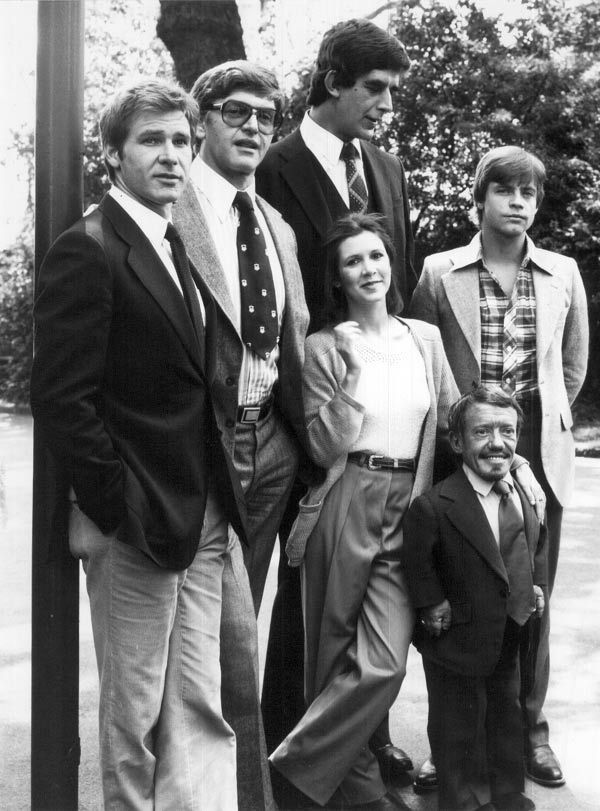
This is just all kinds of awesome [via thedailywhat]